


How Netflix Used Data to Create a Successful Restaurant
When we think of Netflix, we immediately think of series and movies. But did you know that the streaming giant also explores the culinary world?
CURIOSITIES
10/31/20253 min read


Netflix Bites: How Data Analysis and Culinary Shows Created a Revolutionary Pop-Up Restaurant
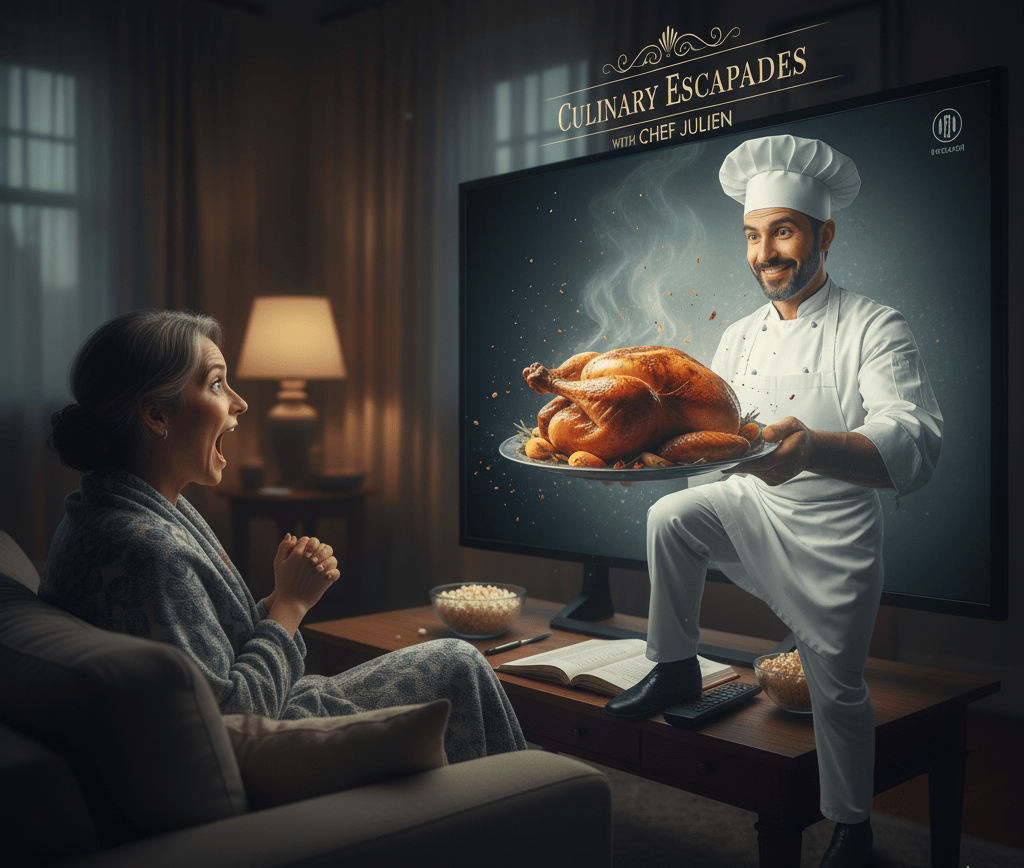
In a world where content personalization is key to success, Netflix has become a master at understanding what its users want to watch. From the algorithm that recommends your next series to the funding of specific projects, the company has proven that intuition, when combined with data analysis, is an unbeatable formula. But what if the same data logic were applied to something as different as cuisine? Netflix, always seeking new ways to engage its audience and expand its brand, decided to answer this question with a surprising project: Netflix Bites, a pop-up restaurant in Los Angeles that transformed the popularity of its cooking shows into a real gastronomic experience. The concept of bringing the kitchen closer to its viewers is a bridge between the screen and the palate, making fans feel part of this new culinary revolution, where every bite is like watching an exclusive episode live.
The Leap from Streaming to Cuisine: A Data-Driven Strategy
Netflix is not a culinary company, but it is a giant in data analysis, and that is precisely the intelligence behind Netflix Bites. The project was not a guess; it was a natural extension of its content strategy. The platform already has a vast and successful catalog of cooking shows, such as Chef's Table, Street Food, Iron Chef: Quest for an Iron Legend, and Is It Cake?. These programs not only attract millions of viewers but also generate a treasure trove of information about what people like to see, which chefs are popular, and what types of dishes and cuisines spark the greatest interest. Every view, every 'like,' and every comment contributes to a detailed profile of what truly resonates with the public, allowing Netflix to shape its offerings based on real preferences.
What Netflix did was use this mass of audience data to identify the most beloved chefs and the gastronomic concepts that resonated with the public. They were not just creating a restaurant; they were translating the success of their screen to the table. The choice of chefs for Netflix Bites, for example, was not random. They selected a stellar cast that already had a global fanbase, including chefs like Curtis Stone (Iron Chef), Ming Tsai (Iron Chef), Dominique Crenn (Chef's Table), and Nadiya Hussain (Nadiya Bakes). These names were already brands in themselves, and Netflix used this popularity to ensure immediate public appeal by bringing tips and recipes directly from their shows to the restaurant's menu, making every dish a piece of entertainment.
The Customer Experience: Where Screen Meets Palate
Netflix Bites was designed to be more than just a meal; it was an immersion into the Netflix brand. The experience combined the chefs' talent with the familiarity of the TV shows. Each dish on the menu was a representation of a chef's style or a famous dish from their show, creating a direct connection between what the viewer saw on screen and what they tasted at the restaurant. Customers had the chance to interact with the chefs in special sessions and cooking workshops, becoming part of the creative process that goes beyond the meal.
This strategy not only capitalized on the existing fanbase but also created a new form of engagement. Fans of Chef's Table could finally taste the cuisine of one of their idols. Those enchanted by the creations of Is It Cake? could see the work of a renowned pastry chef up close. Netflix transformed the passivity of watching a show into an active and palpable experience. This not only reinforces customer loyalty to the brand but also encourages word-of-mouth and social media sharing, which became a powerful marketing engine, leading to increased online buzz and attracting new customers curious about this unique experience.
Lessons for the Future: Data-Driven Retail Expansion
The bold initiative of Netflix Bites offers valuable lessons for any company, regardless of the sector. The first is that data analysis is not limited to specific niches; it can be applied to innovate in unexpected fields. What Netflix did was uncover the 'consumption intention' of its viewers and translate it into a new medium. They saw that their cooking shows were not just entertainment; they were a trend guide and a source of inspiration, allowing consumers to experience the cuisine they were watching in a much more intimate way.
The second lesson is the power of synergy between digital products and physical experiences. In an era of digital overload, the ability to offer a tangible and memorable experience that complements a digital product is a huge competitive advantage. Netflix proved that its success is not limited to the screen; its brand can be a force in any industry where the creativity and passion of its creators can be translated into something real. Netflix Bites was not just a restaurant; it was proof that data, when used creatively, can generate revenue and engagement in any format, opening doors for future collaborations and innovations that may well change the way companies relate to their customers.
Innovation
Technology and Digital Transformation.
contact us
Apprenticeship
© 2025 - 2026. All rights reserved.